Every day, thousands of drivers travel Tacoma's busiest streets without incident. Yet a review of five years of crash data reveals that certain intersections and corridors consistently account for a disproportionate share of serious collisions, catastrophic injuries, and traffic fatalities.
Using data from the Washington State Department of Transportation (WSDOT), the National Highway Traffic Safety Administration (NHTSA), Tacoma Vision Zero reports, and Washington Traffic Safety Commission statistics, several Tacoma roadways emerge as recurring crash hotspots.
The findings raise important questions about roadway design, traffic volume, pedestrian safety, and the legal options available to those injured in preventable collisions.
Tacoma Continues to Experience High Crash Rates
Traffic safety remains a significant concern throughout Pierce County.
Between 2021 and 2024, Tacoma recorded more than 11,000 intersection crashes—second only to Seattle statewide. During the same period, the city experienced a troubling increase in fatal and serious injury collisions, with 2023 reaching one of the highest fatality totals in nearly a decade.
Despite having roughly one-third of Seattle's population, Tacoma recorded nearly 78% of Seattle's intersection crash volume, highlighting the unique challenges created by:
- Interstate 5 congestion
- Port of Tacoma freight traffic
- Joint Base Lewis-McChord commuter activity
- High-volume arterial roadways
- Growing pedestrian and cyclist traffic
These factors create an environment where even a brief mistake can result in devastating consequences.
The 10 Tacoma Roads and Intersections Most Frequently Linked to Serious Crashes
1. Interstate 5 Through Tacoma
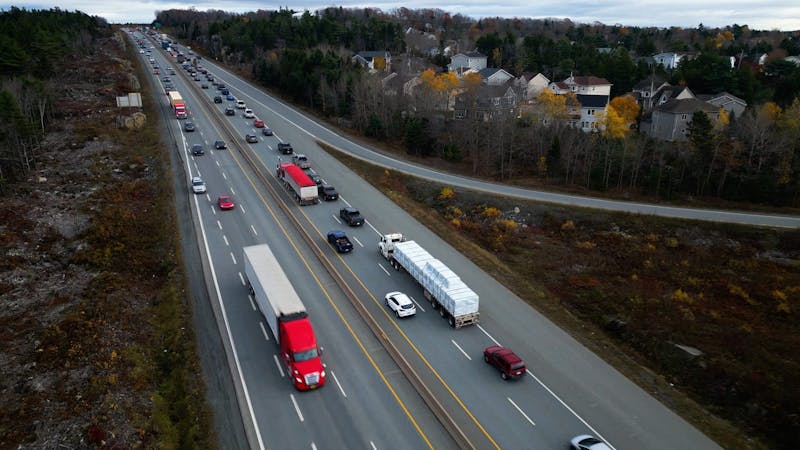
The stretch of Interstate 5 running between South 38th Street and State Route 18 has been identified as the deadliest ten-mile roadway segment in Washington State.
Heavy commuter traffic, commercial trucking activity, lane merges, and recurring congestion contribute to a high volume of rear-end crashes, motorcycle collisions, and fatal accidents.
2. SR 509 and Alexander Avenue East
This intersection gained statewide attention following a 2023 collision that claimed six lives.
Historical crash records revealed dozens of collisions prior to the tragedy, prompting ongoing discussions about roadway design and traffic control measures.
3. South 72nd Street Corridor
The South 72nd Street corridor has consistently ranked among Tacoma's most problematic surface streets.
Several fatal crashes have occurred along the corridor, particularly near major intersections that experience high traffic volumes and frequent red-light violations.
4. Pacific Avenue (SR 7)
Few Tacoma roadways appear in traffic safety reports as often as Pacific Avenue.
Intersections at South 38th Street, South 56th Street, and South 72nd Street have all been repeatedly identified as areas of concern due to:
- Pedestrian collisions
- Red-light running crashes
- Speed-related accidents
- High injury severity rates
- 5. South 56th Street
The South 56th Street corridor has experienced numerous serious-injury crashes and remains a focus of ongoing safety improvement projects.
6. Portland Avenue East
Portland Avenue continues to be identified as a high-risk corridor within Tacoma's Vision Zero planning efforts.
Recent years have seen multiple pedestrian fatalities and severe collisions involving excessive speed.
7. South Tacoma Way
City traffic engineers selected portions of South Tacoma Way for focused safety analysis due to a documented history of crashes and injury-producing collisions.
8. McKinley Avenue
McKinley Avenue has experienced several fatal crashes in recent years and remains a priority corridor for future traffic improvements.
9. Marine View Drive (SR 509)
As a major truck route serving the Port of Tacoma, Marine View Drive experiences a unique mix of commercial and passenger vehicle traffic, contributing to elevated crash risk.
10. Interstate 705 Near South 11th Street
The I-705 corridor has been associated with multiple serious pedestrian collisions, highlighting the dangers that can arise where freeway traffic intersects with urban development.
Why Do Certain Tacoma Roads Experience More Crashes?
While every collision is unique, crash-prone intersections often share similar characteristics.
High Traffic Volume
Roadways that carry significant commuter and freight traffic naturally experience greater exposure to collision risk.
Complex Intersections
Multiple turn lanes, closely spaced traffic signals, and confusing merge patterns increase the likelihood of driver error.
Pedestrian Activity
Many of Tacoma's highest-risk corridors also serve commercial districts with significant pedestrian traffic, creating more opportunities for vehicle-versus-pedestrian collisions.
Speed
Higher vehicle speeds dramatically increase both the likelihood of a crash and the severity of resulting injuries.
Commercial Truck Traffic
Areas surrounding the Port of Tacoma regularly experience heavy truck traffic. Due to their size and stopping distances, commercial vehicles often contribute to more severe crashes when collisions occur.
What Is Tacoma Doing to Improve Road Safety?
Several projects are currently underway or planned throughout Tacoma.
These efforts include:
- Improved pedestrian crossings
- Signal modernization projects
- Enhanced intersection visibility
- Corridor redesign studies
- Speed management initiatives
- SR 509 reconstruction improvements
- McKinley Avenue signal upgrades
Federal Highway Administration research suggests that many of these improvements can significantly reduce crash frequency and injury severity when properly implemented.
However, infrastructure changes take time, and many of Tacoma's most crash-prone locations continue to see serious collisions each year.
What Should You Do After a Crash at a High-Risk Intersection?
If you've been injured in a collision at one of Tacoma's known crash hotspots, it's important to remember that the location itself does not determine liability.
Washington follows a pure comparative negligence system, meaning multiple parties may share responsibility for a crash.
Depending on the circumstances, potentially responsible parties may include:
- Negligent drivers
- Commercial trucking companies
- Vehicle owners
- Government agencies responsible for roadway maintenance or design
- Contractors performing roadway work
Determining liability often requires a detailed investigation that includes crash reports, witness statements, surveillance footage, roadway records, and expert analysis.
When to Speak With a Tacoma Car Accident Lawyer
Serious crashes can leave victims facing medical bills, lost income, long-term rehabilitation, and uncertainty about the future.
If you were injured in a collision at a dangerous intersection, involving a commercial truck, motorcycle, or pedestrian crossing, or on a high-speed roadway, understanding your legal rights early can make a significant difference.
An experienced Tacoma personal injury attorney can investigate the circumstances of the crash, identify all potentially liable parties, and help preserve critical evidence before it disappears.
Injured in a Tacoma Crash? Park Chenaur Can Help
Whether your accident occurred on Interstate 5, Pacific Avenue, SR 509, or another Tacoma roadway, the legal team at Park Chenaur Injury Lawyers can help you understand your options.
Our attorneys represent individuals and families throughout Pierce County in cases involving:
- Car accidents
- Truck accidents
- Motorcycle crashes
- Pedestrian injuries
- Catastrophic injuries
- Wrongful death claims
If you have questions about your rights after a serious collision, contact Park Chenaur Injury Lawyers for a free case evaluation.